
Bamboo Cribbing Advantages
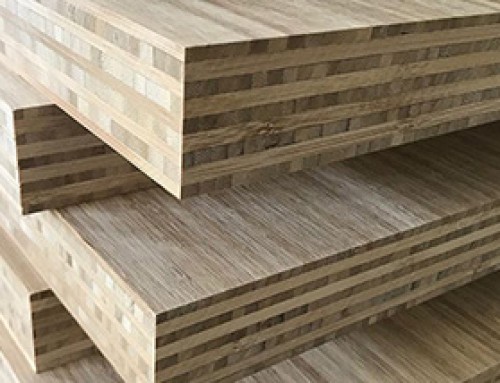
While bamboo is a relatively new player in the cribbing market compared to established wood and plastic options, “engineered bamboo” (laminated bamboo lumber) and high-density bamboo (strand woven bamboo lumbers) have carved out specific niches where they outperform both.
Here are the specific applications where bamboo cribbing excels:
- High-Load Structural Shoring (Construction & Renovation)
When supporting massive static loads—such as holding up a multi-story building during foundation repair or structural modification—bamboo is often superior.
- Why it wins: Bamboo has a much higher compressive strength (PSI) than standard softwoods (like Douglas Fir) used in construction.
- Vs. Plastic: While plastic is strong, it can suffer from “creep” (slow deformation over time under heavy load). Bamboo is extremely rigid and holds its dimensions better under long-term static pressure.
- Heavy Rigging and Transport (The “dunnage” role)
In the moving of colossal industrial equipment (transformers, generators, turbines), weight and space are premiums.
- Why it wins: Bamboo has an incredible strength-to-weight ratio. It is lighter than the solid HDPE plastic required to hold the same weight, and it is significantly harder and more crush-resistant than wood.
- The Benefit: Transport crews can carry less physical volume of dunnage to do the job, saving space on transport trucks and reducing the total payload weight.
- Concrete Formwork and Falsework
In large-scale concrete pours, the framework that holds the wet concrete (falsework) needs to be stiff.
- Why it wins: Engineered bamboo has a very high Modulus of Elasticity (MOE)—meaning it is very stiff and doesn’t bend easily.
- Vs. Wood: Standard wood can bow or sag under the immense weight of wet concrete, leading to imperfections in the final wall or floor. Bamboo remains straighter.
- Vs. Plastic: Plastic is generally too flexible for use as the primary spanning beams in falsework; it is better as a block than a beam. Bamboo acts as an excellent beam.
- Eco-Conscious Projects
For construction projects aiming for green building standards.
- Why it wins: Bamboo is a rapidly renewable resource (harvestable in 3-5 years vs. 20-50 years for timber).
- Vs. Plastic: Plastic cribbing is made from petroleum products (even if recycled, the origin is petrochemical).
- Vs. Wood: Using bamboo prevents the cutting of old-growth or slow-growth forests. Using bamboo cribbing contributes to the project’s sustainability score.
- Environments with High Humidity (but not submersion)
- Why it wins: Engineered bamboo contains resin glues that make it highly resistant to atmospheric moisture and humidity changes.
- Vs. Wood: In very humid climates (like the tropics), standard wood cribbing can swell, warp, or succumb to fungal rot much faster than bamboo. While plastic is impervious, bamboo offers a middle ground where you need the friction of wood but better weather resistance.
Summary: The “Sweet Spot” for Bamboo
Bamboo excels when you need the mechanical behavior of a high-strength hardwood (stiffness, friction, beam strength) but require sustainability or a better strength-to-weight ratio.
It is NOT the best choice for:
- Hazmat/Rescue: Plastic is better because it doesn’t absorb blood/oil.
- Dynamic/Shock Loads: Wood is sometimes preferred here because its crushing/cracking provides a better visual/audio warning system before total collapse. Bamboo is so strong that it can sometimes fail suddenly under extreme shock without much warning.


 English
  Español
  Deutsch (Sie)
  Français
  Nederlands (Formeel)
  Italiano
  Русский
  日本語
日本語  Polski
  Nederlands (België)
  العربية
  Suomi
Suomi  Dansk
Dansk  Tiếng Việt
  Português
  Türkçe
  Bahasa Indonesia
  Slovenčina
  Українська



Leave A Comment